THE NATURE OF LOVE: Trust, Growth & Connection

Guide Description:
In this guide will explore the impact of love on our individual well-being, relationships and in community building. We begin with an examination of love in its various forms—romantic, familial, platonic and self-love—and the ways each influences our lives.
Learning Objective:
Love is something we tend to take for granted. By the end of this guide we will understand the importance and impact of love to us as individuals and humanity in general.
Agenda
a) The Nature of Love
b) Understanding the different types of love
c) The impact of love on Mind + Body
d) The value of love to humanity
"To Kindness and Love, the things we need most!" ~ The Grinch
Reflective Prompts: Below are questions to reflect on before we get started: Take a moment to honestly examine yourself and the answers you provide -
How do you personally define love—what does it look like in action, not just in words?
How do you show love to yourself, especially during difficulty or failure?
What fears or expectations do you bring into loving relationships?
Would you consider love a strength or weakness? Why?
In what ways do you give love freely, and in what ways do you give it conditionally?
How does your cultural background, societal influences and personal values shape your understanding of love?
What does it mean to love someone without trying to fix or rescue them?
The Nature of Love
Like happiness, love is an emotional state comprised of mostly positive feelings. These feelings could consist of a very tender, passionate affection for another person, a feeling of warm personal attachment or deep affection- like that of a parent, child, or friend, or as a sexual passion or desire for another person.
Being surrounded by love often leads to a strong sense of self-worth which can lead to healthier decisions on future relationships. It is the foundation of strong human units, from family, to small community groups to society at large. The presence of love within communities is what helps check our selfish attitudes, encouraging empathy and a desire for fairness and equality.
Several studies show that being in love releases high levels of Dopamine, a chemical in the brain that activates the reward circuit, helping to make experiencing love a pleasurable occurrence similar to the euphoria associated with use of cocaine or alcohol.
Regardless of the type on the individual level, love helps people adopt better habits into their daily lives, it promotes confidence, a positive outlook, helps in reducing anxiety and lowers the chance of developing depression or other forms of mental distress.
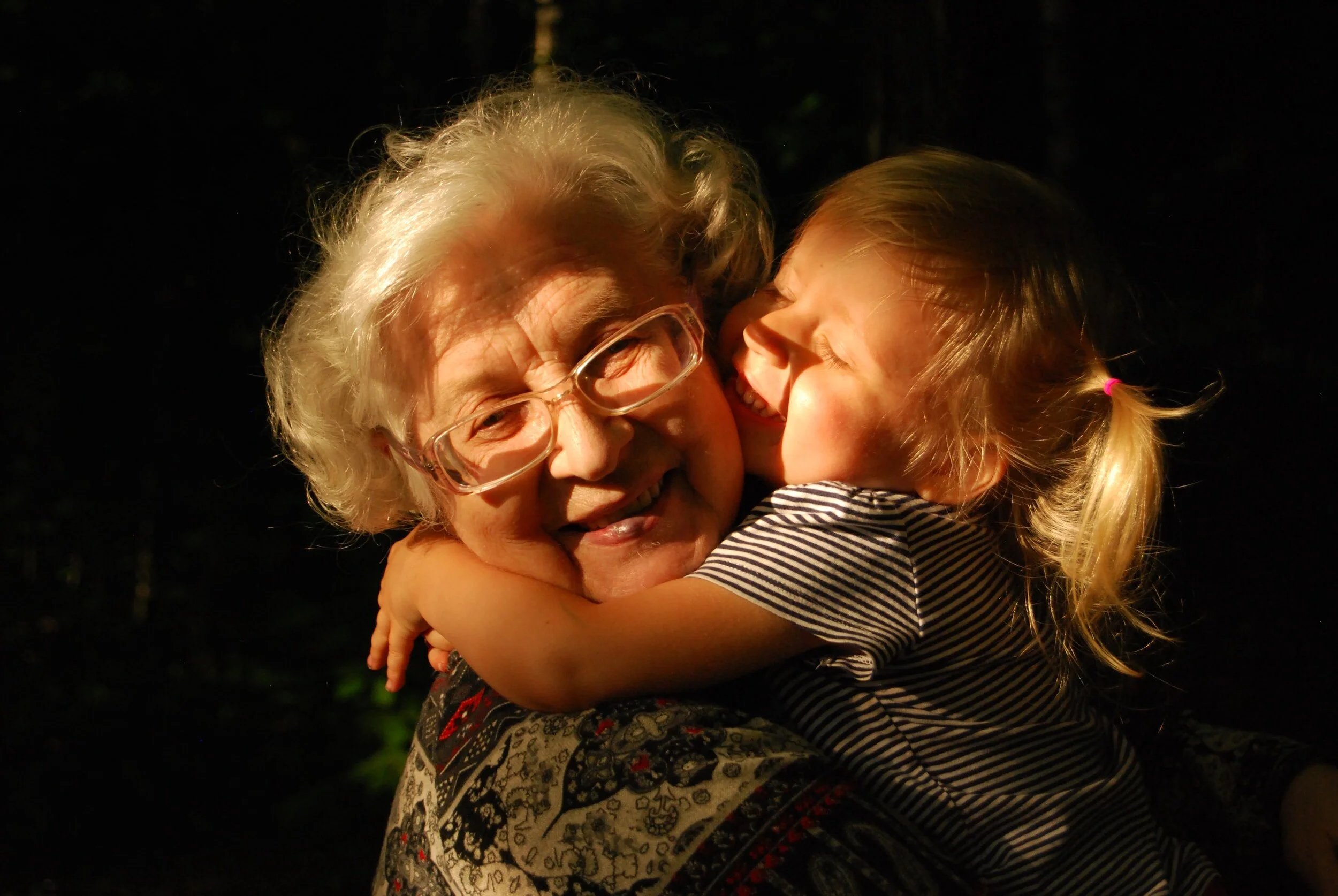
Feeling loved or accepted is one of the best feeling a human can experience without stimulants.
Types of Love
As humans, we experience love in many different ways, from friendship to familial to the obsessed. We will be looking at the 5 encompassing types as studied and named by ancient Greeks. Each is important in its own right and helps to build us up at different points in our lives. The 5 types of love we will be looking at are:
· Agape — Selfless Love
· Storge — Familial Love.
· Philia — Affectionate Love.
· Eros — Romantic Love.
· Philautia — Self Love.
Agape — Unconditional Love
This is an altruistic, selfless, unconditional love. The more of this type of love we have in the world, the better our communities are for it, because it puts the needs of the collective above that of the individual.
It is the presence and growth of this type of love that creates a cooperative society we all long to belong to. It is non-judgmental, accepting and empathetic. It promotes the desire to do no harm and finds ways to bring equality to all.
Agape love can be infectious as it spurs us to ‘pass on’ the goodness we receive from others by sharing and reaching out even when we have nothing to personally gain by it.
Storge — Familial Love
This I believe, is the foundational love, the first type we are exposed to, or get to experience as we grow up and step out into the world. It is a natural and instinctive feeling, like the love of a parent for their child and vice versa, and a love shared among family.
Storge like Agape, is not physical or sexual in nature, but more of a strong bond, or kinship between people. Experiencing familial love promotes a sense of confidence in an individual, it creates a sense of calm, a peace within that solidifies their place in the world with the knowledge that there is a place to return to regardless of what stressors one may encounter in the world.
Without this foundational love, the feeling of loneliness, anger, a lack of self-worth and possibly hatred for oneself and others can arise, that if left unchecked, can lead to greater harm.
Philia — Affectionate Love
In Aristotle's Nicomachean Ethics, philia is usually translated as "friendship" or affection. The complete opposite is called a phobia. Philia is the kind of love that is shared between friends. It is built on trust. It is platonic in nature and carries with it a respect for those whom you care for. It is also not physical or sexual in nature, but more a comfortable familiarity amongst friends.
For those who, for whatever reason or circumstance, did not experience Storge, Philia is the next best thing to familial love. Though it takes longer to develop, it can be just as trusting and dependable as family.
Eros — Romantic Love
Named after the Greek god of love and fertility, Eros is the expression of love that is associated with romantic, passionate, sexual love. It is the one type of love most people wish to experience in their lifetime. A whole genre of books, movies and shows have been created around Eros and an absence of it can lead to a feeling of lack of fulfilment in an individual, however financially successful they may be.
Though not always the motivation, this type of love – especially in modern times – is seen as being important in the expansion and growth of humanity in terms of procreation. If parties involved share a genuine love for each other, this can be the bedrock of Storge.
The outcome of passionate love can be negative or positive, it can make us bold, get out of our comfort zone, do what we previously thought impossible and take on chances to either please, or get the attention of those whom we love. It is also easy to lose control in Eros, if one is not balanced, and can lead to the manipulation of one party.
Philautia — Self-love
Philautia is simply self-love or self-esteem. Sometimes we tend to associate self-love with being vain, selfish, or egotistical, however, what this refers to, is more to how a person views themselves and how they view their mind and body. People with high self-esteem, pride in themselves, or a positive body image, practice a healthy version of Philautia.
Self-love or self-esteem helps us stay comfortable with who we are, even with our imperfections, it is not negative or unhealthy in any way. In fact, it is a necessary ingredient to be able to give and receive love from other people. We cannot give to others what we don’t have. And if we don’t love ourselves, how can we truly love others?
Another way to look at self-love is by thinking about it as self-compassion. Just as you might show affection and love to another person, you must also show that same affection and love to yourself.
This helps to avoid the pitfall of struggling to be someone else or change ourselves into what we think is more acceptable to society or to fit into a certain group.
It can lead to an obsessive need to change who we are, to self-hate and other mental disorders, also a lack of self-confidence which can impact life in general, including school, work and future relationships. It is hard to accept love in this state of mind, because of a sense of unworthiness, and we may even begin to resent those who try to show us love, believing they are being deceptive.
The absence of Philautia can lead to destructive behaviors and those who lack it need to be treated with care, compassion and understanding.
Reflective Prompts
Think of the role of self-love in your life. How do you prioritize self-care and self-compassion?
How has this impacted your ability to love others?
If any, what type of love are you missing?
Does its absence create resentment in you?
To what extent are you willing to sacrifice for those you love? How can you ensure a healthy and reciprocal relationship?
How do you handle conflict, do you seek understanding or simply to be right?
What are your fears and insecurities relating to love? How do they influence your actions and choices in relationships?
How do you work through these fears to cultivate a healthier understanding of love?
Impact on Personal Well-being
In an article in The New York Times on love titled How Love Changes Your Brain, Hope Reese writes on the work of Stephanie Cacioppo, a neuroscientist and author of “Wired for Love: A Neuroscientist’s Journey Through Romance, Loss and the Essence of Human Connection.”, breaks down the effect of love on the human brain and how we are all wired to make connections.
Love influences our mental, emotional and physical well-being. The different forms of love discussed above meet different aspects human needs, and when balanced, they help us live healthier, more fulfilling and connected lives.
Self-love forms the foundation of personal well-being by helping us build confidence, resilience and healthy boundaries. When we treat ourselves with respect and compassion, we make better decisions and avoid becoming emotionally dependent on others for validation.
Romantic love can provide companionship, intimacy and emotional support, helping reduce loneliness and increasing life satisfaction. When healthy, it encourages growth and emotional openness, though unhealthy relationships can have the opposite effect.
Family love often provides our earliest sense of safety, identity, and belonging. Supportive family connections can offer emotional grounding and stability during difficult times, shaping how secure we feel in relationships throughout life.
Friendship plays a key role in emotional balance by reducing stress and isolation. Friends provide understanding, perspective, and a space where we can often be our most authentic selves.
Compassionate love — care and concern for others and the wider community — brings a sense of meaning and purpose. Acts of kindness and contribution strengthen social bonds and often improve our own happiness and mental well-being.
When one of these forms of love is missing or strained, we often feel disconnected or unfulfilled. Reflecting on which types of love are strong in our lives, and which need attention can help us improve our overall well-being and relationships.
If you don’t feel that you have a meaningful relationship, it’s as if you are socially thirsty, and your brain sends a signal to tell you that you need to help your social body. Some of the same alarms are activated when people are thirsty or feel socially disconnected from others. The key is not to suppress these feelings. They are meant to help us survive; we are meant to do something about it.
Exercise - Write down 3 things you will learn to do differently to show yourself love
Reflection Point
Do you find it easy to connect with people? Why or Why not?
How conscious are you of your biases? Are you aware when biases influence your thoughts/actions?
Do you struggle with Prejudice? What effort have you made to overcome it?
What is the role of forgiveness in love to you? How do you deal with forgiveness and reconciliation when love is challenged or betrayed?
What do you tolerate from someone you love, but absolutely condemn in others? Do you find yourself thinking in terms of us vs them?
The Value to Humanity - A Matter of Give and Take
When we love we are not afraid to be vulnerable, in fact one of the best expressions of love is by showing our vulnerability. While some may view this as a weakness, it is actually the opposite, as it is the building block of trust and compassion – a sign of emotional strength, courage and maturity.
Love is often spoken of as something personal — something between partners, families, or friends. But love is also social. It shapes the kind of communities we build and the kind of world we live in together. Humanity would be nothing without it.
Love is a catalyst for progress, it gives us the patience to overcome prejudices and implicit biases. Every day, our patience or impatience, our kindness or indifference, our willingness to understand or judge — affects someone else’s experience of life.
We all have the power within us to change the world. When we tell ourselves nothing we do makes a difference, we are simply putting negativity into the world, perpetuating a destructive cycle. A small act of compassion can restore someone’s hope. A moment of understanding can prevent conflict. A simple gesture of care can remind someone they matter.
Love, then, is not only a feeling — it is a responsibility. A responsibility to treat others with dignity, to act with empathy, and to recognize that we share this world and influence each other constantly.
With little love, there will be less wars, less of people trying to subjugate, persecute or eliminate others. Instead we will be more tolerant, understanding and forgiving of one another. Overall, love creates gentler souls and gentler souls create a gentler world.
In his song Imagine – John Lennon sang “you may say I’m a dreamer, but I’m not the only one”. What’s our outcome if the the optimistic voices are louder than the pessimist, what if those who wish goodwill to all out rank those who benefit from chaos? Imagine what we can achieve!
Commitment and Conclusion
Love as a Practice, Not Just a Feeling
Live and let live sums up how to love. We are told that love is kind, love is sharing, it is unselfish and caring, but considering all the stressors we deal with in our daily lives, it takes conscious effort to remember these simple things and show love to one another – even to those we genuinely care about – as we all struggle for survival.
Love is often spoken about as something we fall into, an emotion that happens to us. But the truth is that love is less about what we feel and more about what we choose to practice.
Feelings come and go. Attraction fades, moods shift, conflicts arise, and people change. What sustains relationships — with partners, family, friends, communities and even ourselves — is not constant emotion, but intentional action.
Love shows itself in patience when frustration would be easier.
In listening when we’d rather defend ourselves.
In forgiveness when holding resentment feels justified.
In honesty when silence feels safer.
In kindness when no one is watching.
We don’t prove love in perfect moments, but in imperfect ones, when we are challenged to exit our comfort zone. And perhaps the hardest lesson for us would be to that learning to love must also include ourselves. Without self-respect and self-compassion, our relationships often become driven by fear, dependency, or resentment rather than genuine care.
So if love is something we practice, not just something we feel, what does practicing love look like in our daily lives? Because the quality of our relationships (and our communities) is shaped by the small, everyday choices we make with one another.
Further Reading
The Four Loves by C.S. Lewis
Act of Love: Radically Reprogram Your Mind by Kino MacGregor
Nicomachean Ethics by Aristotle
“Wired for Love: A Neuroscientist’s Journey Through Romance, Loss and the Essence of Human Connection.” by Stephanie Cacioppo
Citation
How Does Love Affect Our Physical Health? March 11, 2017 https://www.canopyhealth.com/how-does-love-affect-our-physical-health/
Love and the Brain by Scott Edwards, 2015
https://hms.harvard.edu/news-events/publications-archive/brain/love-brain
Learn the Different Types of Love (and Better Understand Your Partner) by Carol Morgan https://www.lifehack.org/816195/types-of-love
How Love Changes Your Brain
https://www.nytimes.com/2022/04/15/well/mind/love-brain.html