

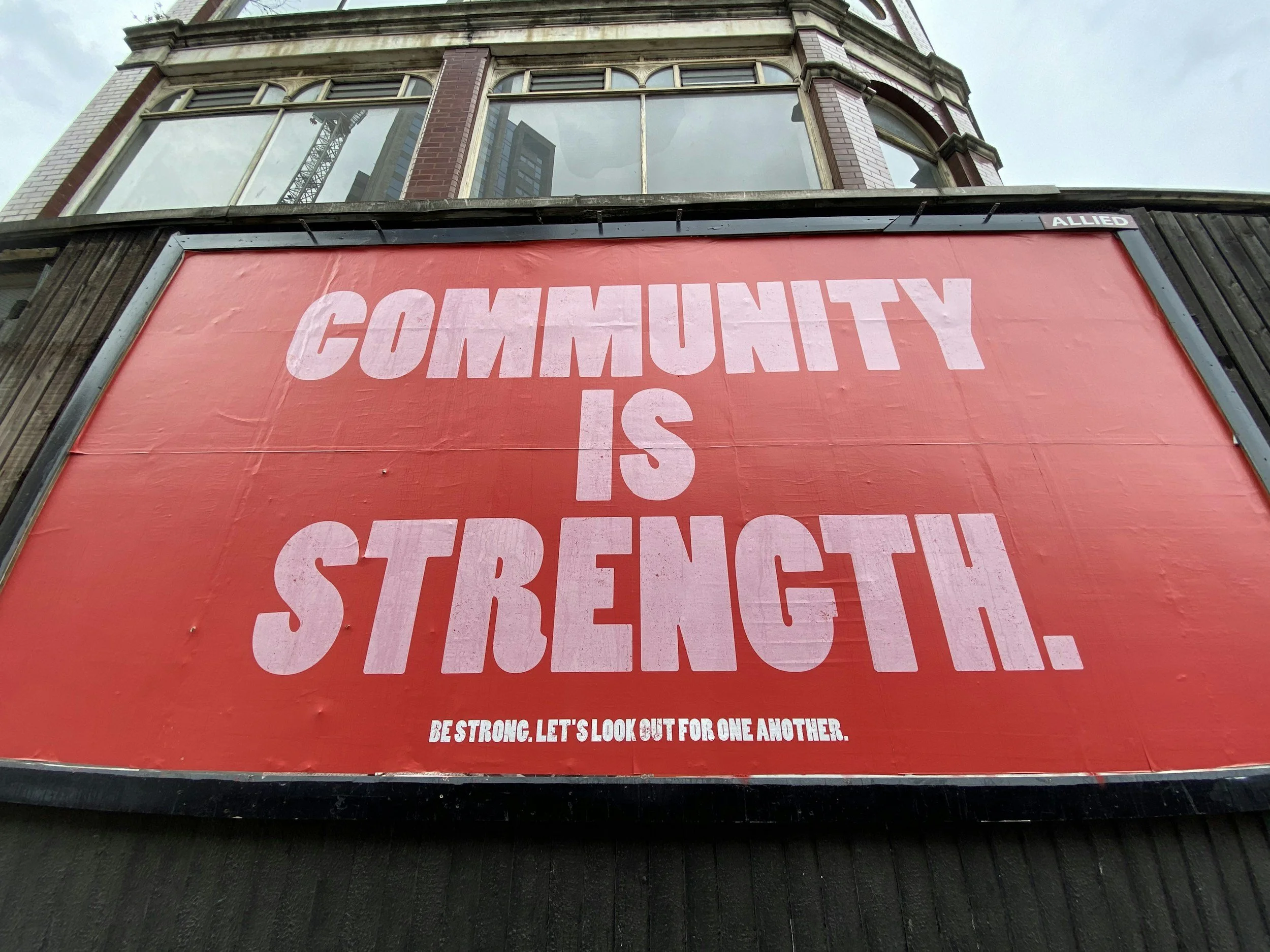
The Value of Community
Why do we form communities?
“No man is an island” is a common refrain that has been repeated since the 1624 prose “No man is an Iland” by poet John Donne, it has been the theme of songs, movies, books and TV shows alike. A core message they point to is the fact that no one man can go at life alone. It is just not possible, we all need a hand once in a while. Even from the days of the hunter/gatherer, humans have always depended on each other to build their communities, to maintain its growth and protect its inhabitants. The current ideology of rugged individuality is perpetuated by a few, who are often driven by greed and selfishness and benefit from divisions among us.
“No man is an island, entire of itself; every man is a piece of the continent, a part of the main.”
Fostering Connection and Support
While the practical benefits of a cohesive community are tangible, such as security and shared resources, the true value lies in its ability to provide its members emotional well-being, personal growth and a sense of purpose.
The ideal of rugged individualism—where everyone is expected to fend for themselves and view government/collective support as a weakness—has been promoted as the dominant path to success and has come to shape mainstream thinking. Rather than fostering collective progress, this mindset has only served to pushed people further apart. The rise of the internet and social media has intensified this isolation, deepening social fragmentation. One consequence of this growing separation is increased anger and distrust, along with a resistance to listening to opposing viewpoints and a rising sense of resentment among different groups, especially those in positions of relative advantage.
A strong community (big or small), where the citizens are able to rely on and trust one another creates an environment for growth, security and a sense of belonging. The expectation that a child born in poverty with no solid societal support – in terms of education, housing, food security, is able to focus enough, to plan, educate themselves, and rise out of poverty is disingenuous. A major part of any society’s social contract, is the understanding that there are certain things within society that is imperative to pull resources together to provide services and support that would benefit all and stop the more vulnerable from falling through the cracks.
The belief that it takes a village to raise a kid still holds true today as it did in the past, where most adults felt a sense of responsibility towards the younger ones in the community and would provide care, safety and discipline to the child.
It is past time for us to stop and reevaluate this trend of separation, individuality and distrust that seduces us into believing that those who make it in society did it all on their own without the help, influence or support of the society, - no schools, mentors, public services such as police, libraries, fire departments, community centers etc. We are always stronger together, regardless of whatever cultural differences that seem to separate us today.
Co-operation is the opposite of rugged individuality and the key to a strong thriving community, state or country. From raising funds for well-equipped schools, hospitals, construction of good roads, electricity, recreational centers, parks and other common amenities that serve the good of the people, to electing individuals from within the community to represent the interest of the people and ensuring there is funding for maintenance of these institutions so it continues to provide services that all of society can equitably benefit from. The significance of community cannot be overstated.
“If you want to go fast, go alone. If you want to go far, go together.”